
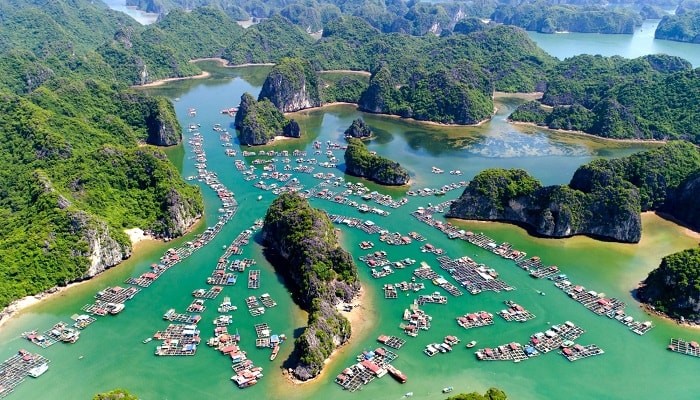
Natural resources can be classified according to various criteria, helping us better understand the characteristics and management of each type. By renewability: Renewable resources are resources that can be replenished or regenerated over a certain period of time through natural processes or with human assistance. Typical examples include forests (when managed sustainably), water (within the hydrological cycle), solar energy, wind energy, tidal energy, and geothermal energy. Non-renewable resources are resources formed over millions of years and cannot be restored within a human time scale once exploited. Minerals such as coal, oil, natural gas, metals (iron, copper, gold, silver, etc.), and gemstones fall into this category. The use of non-renewable resources requires careful consideration of efficiency and sustainability.
Land resources include agricultural land, forestry land, and other types of land, playing an important role in agriculture, forestry, and construction. Water resources include surface water (rivers, lakes, ponds), groundwater, and ice and snow, which are vital for all living organisms and widely used in production, daily life, and transportation. Mineral resources include metallic ores, non-metallic minerals, and fossil fuels, serving as important inputs for many industries.
Forest resources include diverse forest ecosystems that provide timber, non-timber forest products, climate regulation, soil and water protection, and habitats for many species. Biological resources include animals, plants, and microorganisms, supplying food, pharmaceuticals, materials, and playing a crucial role in maintaining ecological balance. Energy resources include traditional energy sources (coal, oil, gas) and renewable energy sources (solar, wind, water, geothermal, biomass).
By usage characteristics: Usable resources are those that can be directly exploited and used for various purposes. Potential resources are resources whose reserves or existence have been identified but which have not yet been widely exploited or utilized.
Natural resources play an undeniable role in every aspect of human life and social development. Economic foundation: Natural resources provide raw materials for most industries, from consumer goods manufacturing to machinery production and infrastructure construction. The extraction and processing of natural resources create jobs, income, and make significant contributions to the GDP of many countries. Sustaining life: Clean water, fresh air, fertile land, and natural food sources are fundamental to sustaining human life and that of other organisms.
Ecological balance: Natural ecosystems formed from natural resources play a vital role in climate regulation, soil and water conservation, biodiversity maintenance, and the provision of essential ecosystem services. Cultural and spiritual values: Beautiful and diverse nature is a source of inspiration for art, culture, and tourism. Natural heritage sites hold historical, cultural, and scientific value and must be preserved for future generations. National security: Natural resources, especially strategic energy and mineral resources, can affect a nation’s energy security and economic security. Ensuring stable access and supply of these resources is an important aspect of national policy.
Despite their immense importance, Earth’s natural resources are facing numerous challenges and serious degradation due to human activities. Overexploitation: The growing consumption demands of modern society have led to the overexploitation of many resources, particularly non-renewable resources and renewable resources exploited beyond their regenerative capacity. Environmental pollution: Production, extraction, and consumption activities have caused severe pollution of air, water, and soil, degrading resource quality and affecting human health and ecosystems.
Climate change: The burning of fossil fuels has increased greenhouse gas emissions, causing climate change with negative impacts on water resources, agriculture, biodiversity, and sea levels. Loss of biodiversity: Deforestation, pollution, and overexploitation have led to the decline and extinction of many plant and animal species, disrupting ecological balance and reducing the potential use of valuable genetic resources. Uneven distribution: Natural resources are unevenly distributed across the Earth, creating interdependence among countries and potentially leading to tensions and conflicts over access to resources.
To protect natural resources for present and future generations, sustainable management and use are the inevitable path forward. This requires changes in awareness and action across society. Efficient and economical use: Applying advanced technologies and production methods to reduce resource consumption per unit of output, encouraging sustainable consumption lifestyles, and minimizing waste. Conservation and restoration: Protecting natural ecosystems, restoring degraded land, and enhancing biodiversity. Development and use of renewable energy: Transitioning to clean and renewable energy sources to reduce dependence on fossil fuels and lower greenhouse gas emissions.
Integrated resource management: Applying an integrated approach to resource management, considering interactions among different types of resources and ecosystems. Improving legal and policy frameworks: Developing and enforcing effective laws and policies to protect natural resources and promote sustainable use. Raising awareness and education: Strengthening education and communication about the importance of natural resources and the necessity of their protection and sustainable use. International cooperation: Enhancing cooperation among countries in addressing global environmental issues and managing transboundary resources.
Natural resources are invaluable gifts bestowed by the Earth upon humanity. Respecting, protecting, and using them wisely and sustainably not only ensures our survival and development but also represents our responsibility to future generations. We must act now to safeguard the foundation of life and build a greener and more sustainable future.
